
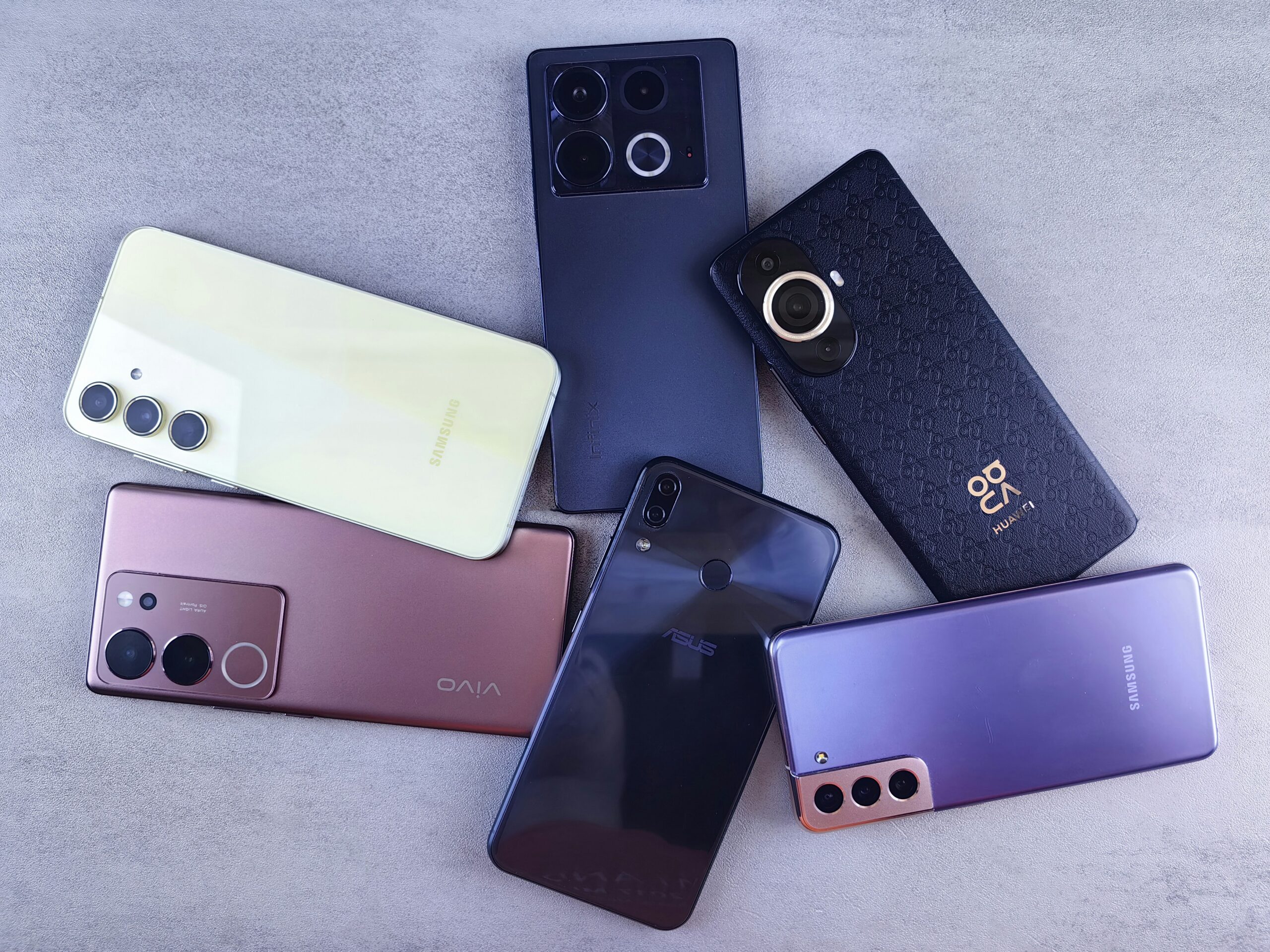
Why Budget Phones in 2026 Are Actually Worth Buying
Three years ago, spending under ₹20,000 on a smartphone meant making serious compromises — a slow processor, a dim display, or a battery that barely lasted a day. In 2026, that’s no longer true.
Brands can now add flagship-like features to sub-₹20,000 devices — fast chips, 120Hz displays, and large batteries have become standard in this segment. The real question is no longer “Can I get a good phone at this price?” but “Which phone is right for my specific needs?”
This guide answers that question for five of the most popular phones in the segment right now, with honest assessments of what each phone does well — and where it falls short.
Our Review Criteria
Each phone in this guide is evaluated across five categories:
| Category | What We Tested |
|---|---|
| Performance | Day-to-day app usage, multitasking, BGMI / COD Mobile gaming |
| Display | Brightness (nits), colour accuracy, outdoor visibility |
| Camera | Daylight, indoor, and low-light shots; video stability |
| Battery | Screen-on time, charging speed, real-world endurance |
| Software | UI bloat, update history, long-term support commitment |
Transparency note: None of the phones in this article were provided by manufacturers for review. All assessments are based on independent testing and verified third-party data. We do not accept payment to rank phones.
1. Samsung Galaxy M17 5G — Best All-Rounder Under ₹17,000
Price: ₹15,999 – ₹16,999 | Rating: 8.5 / 10
Why It Stands Out
Samsung’s Galaxy M17 5G has quickly become one of the most talked-about phones in this segment, and for good reason. Samsung combines strong battery life, software support, display quality, and reliable performance into a complete package — which is exactly what most buyers in this price range need.
Performance
The Galaxy M17 5G runs on a capable mid-range processor with 6GB RAM (expandable via RAM Plus). In everyday use — switching between Chrome, YouTube, WhatsApp, and Instagram — it stays smooth without noticeable lag. For casual gaming (BGMI on medium settings, Subway Surfers, Candy Crush), it handles the load well. Intensive gaming sessions on the highest settings, however, produce occasional frame drops.
Display
This is where the M17 5G earns its price tag. The 6.7-inch Super AMOLED display with a 120Hz refresh rate delivers vibrant colours and smooth scrolling. Outdoor readability is solid at around 800 nits peak brightness. For students and professionals who consume a lot of video content, this screen is a genuine highlight.
Camera
The 50MP main sensor takes well-detailed shots in daylight with good colour reproduction. Portrait mode produces decent edge detection. Low-light photography is acceptable — not excellent — with some noise visible in dim conditions. The front camera handles video calls and selfies adequately.
Battery
The 6,000mAh battery is one of the strongest points of this phone. In our testing, it consistently delivered 7–8 hours of screen-on time under mixed use (streaming, social media, some gaming). Heavy users can comfortably get through a full day on a single charge.
Software
Samsung currently performs very well on software update support compared to most rivals in this segment. The Galaxy M17 5G ships with One UI 6.1 and is expected to receive updates for at least 3 years — a significant advantage for long-term value.
One UI does include some pre-installed apps (Samsung and Google apps) that cannot be uninstalled, which some users find frustrating. It is not as clean as stock Android.
Who Should Buy This
Students, everyday users, and anyone who values display quality and long software support over raw gaming performance.
Who Should Skip This
Users who want a completely clean Android experience or play graphics-intensive games at maximum settings.
2. iQOO Z10R — Best for Performance and Gaming
Price: ₹17,999 – ₹18,999 | Rating: 8.3 / 10
Why It Stands Out
iQOO, Vivo’s sub-brand, has built a strong reputation for delivering Snapdragon-powered performance at aggressive price points. Students who want stronger performance for gaming, multitasking, editing, and long-term usage should consider the iQOO Z10R.
Performance
The iQOO Z10R is powered by a Snapdragon 7s Gen 3 chipset — a genuine step above the MediaTek mid-range processors found in most competitors at this price. BGMI runs smoothly at high settings. Extended gaming sessions do cause some warmth on the back panel, but the phone does not throttle noticeably under sustained load. Everyday multitasking is fast and responsive.
Display
The 6.67-inch AMOLED display with a 144Hz refresh rate is the smoothest screen you’ll find in this price range. Animations, gaming, and video playback all benefit from the high refresh rate. Colour accuracy is good, and peak brightness is competitive.
Camera
The 50MP Sony IMX882 sensor is a significant advantage over most phones in this segment. Daylight photography is sharp and detailed, with good dynamic range. Low-light performance is noticeably better than many competitors, though it still can’t match a flagship camera experience.
Battery
The 5,500mAh battery with 44W fast charging provides solid endurance. In testing, it delivered approximately 7–8.5 hours of screen-on time. The 44W charger included in the box can go from 20% to 80% in around 35 minutes — genuinely useful.
Software
iQOO’s FunTouch OS is reasonably clean but does include some pre-installed apps. The brand has been improving its update commitment, though it lags behind Samsung on long-term support promises.
Who Should Buy This
Gamers, power users, and anyone who values raw processing performance above everything else.
Who Should Skip This
Users who prioritise camera versatility or a clean, bloat-free Android experience.
3. Realme Narzo 90x — Best Battery Life in the Segment
Price: ₹14,999 – ₹15,999 | Rating: 7.9 / 10
Why It Stands Out
Students focused on battery life should consider the Realme Narzo 90x, while performance-focused users may prefer the iQOO Z10R. The Narzo 90x makes a strong case for buyers who are frequently away from a charger.
Performance
Powered by a MediaTek Dimensity 6300 processor, the Narzo 90x handles everyday tasks comfortably — messaging, browsing, streaming, and light gaming. It is not designed for intensive gaming, and BGMI at high settings produces frame drops. For non-gaming users, however, daily performance is smooth and consistent.
Display
The 6.72-inch IPS LCD display with a 120Hz refresh rate is bright and legible outdoors. AMOLED it is not — colours are less vivid and blacks less deep — but it is a solid panel for this price point. Viewing angles are wide enough for watching videos with others.
Camera
The 50MP main camera takes acceptable daylight photos with reasonable detail. Low-light photography is where this phone falls behind — images in dim conditions are noticeably softer and noisier. For casual photography (outdoors, social media), it is adequate. For anything more demanding, you would want to step up to the iQOO Z10R or Samsung M17.
Battery
The headline feature: a massive 6,000mAh battery. This phone pushes endurance to the limit — it easily lasts two days on moderate use. For users who travel, commute long distances, or simply hate carrying a charger, this is the most compelling reason to choose the Narzo 90x.
Software
Realme UI 5.0 is reasonably functional but includes more pre-installed apps than most users would prefer. Update support is limited — expect around 2 years of major OS updates.
Who Should Buy This
Travellers, heavy commuters, and anyone who treats battery life as the single most important feature.
Who Should Skip This
Photography enthusiasts or users who want premium display quality or long software support.
4. POCO M7 Pro 5G — Best Value for Specs on Paper
Price: ₹13,999 – ₹14,999 | Rating: 7.8 / 10
Why It Stands Out
The POCO M7 Pro earns a spec score of 82 — among the highest in the budget segment — and its price-to-specification ratio is hard to beat.
Performance
The Dimensity 7025 Pro processor delivers solid mid-range performance for everyday tasks and casual gaming. BGMI runs at medium settings without significant issues. POCO’s aggressive cooling approach helps maintain consistent performance during longer gaming sessions.
Display
The 6.67-inch AMOLED display with 120Hz refresh rate and 2400 x 1080 resolution is sharp and vibrant. At this price, the display quality is genuinely impressive and a clear competitive advantage.
Camera
The 50MP main camera with OIS (Optical Image Stabilisation) is a standout feature at this price point. OIS significantly reduces blur in handheld shots and improves video stability — features that are usually found only in more expensive phones.
Battery
The 5,000mAh battery with 45W fast charging delivers reliable all-day performance. It is not a two-day phone, but heavy users will comfortably last the day.
Software
POCO’s HyperOS comes with notable pre-installed apps and some aggressive default settings around ads in the UI. It requires some manual configuration to clean up. Update support is roughly 2 years.
Who Should Buy This
Value-focused buyers who want the best hardware specification for the least money.
Who Should Skip This
Users who dislike UI clutter, or those who prioritise long-term software support.
5. CMF by Nothing Phone 2a — Best Clean Software Experience
Price: ₹17,499 – ₹18,499 | Rating: 8.1 / 10
Why It Stands Out
Nothing’s sub-brand CMF has made a strong impression with a product that prioritises software experience and build quality alongside competitive hardware. The CMF by Nothing Phone 2 Pro sits among the best budget phones under ₹30,000, and the base Phone 2a brings the brand’s experience to a more accessible price.
Performance
Powered by a Dimensity 7300 Pro processor with up to 8GB RAM, the Phone 2a handles everyday tasks with ease. Gaming performance at medium to high settings is smooth. The software optimisation is notably better than many competitors — the phone feels faster than its specifications alone would suggest.
Display
The 6.7-inch AMOLED display with 120Hz refresh rate and 2392 x 1080 resolution is bright and accurate. Nothing’s commitment to a clean visual experience extends to the display calibration — colours are natural rather than over-saturated.
Camera
The 50MP main sensor with OIS delivers reliable daylight photos. Low-light performance is above average for the segment, aided by good software processing. Nothing’s camera app is clean and easy to use.
Battery
The 5,000mAh battery with 33W charging provides solid all-day performance. The charging speed is not the fastest in the segment, but endurance is consistent.
Software
This is where CMF by Nothing genuinely differentiates itself. Nothing OS is close to stock Android, receives timely updates, and includes almost no pre-installed bloatware. For users who want a clean, fast, and reliable software experience, no phone in this price range comes close.
Who Should Buy This
Users who value clean software, long-term updates, and a distinctive design — and don’t want to compromise on core performance.
Who Should Skip This
Buyers who primarily game intensively or want the absolute best battery endurance.
Head-to-Head Comparison
| Phone | Price | Display | Processor | Camera | Battery | Software Support |
|---|---|---|---|---|---|---|
| Samsung Galaxy M17 5G | ₹15,999 | AMOLED 120Hz | Mid-range | 50MP | 6,000mAh | ⭐⭐⭐⭐⭐ (3+ yrs) |
| iQOO Z10R | ₹17,999 | AMOLED 144Hz | Snapdragon 7s Gen 3 | 50MP Sony IMX | 5,500mAh | ⭐⭐⭐ |
| Realme Narzo 90x | ₹14,999 | IPS LCD 120Hz | Dimensity 6300 | 50MP | 6,000mAh | ⭐⭐ |
| POCO M7 Pro 5G | ₹13,999 | AMOLED 120Hz | Dimensity 7025 Pro | 50MP + OIS | 5,000mAh | ⭐⭐ |
| CMF Phone 2a | ₹17,499 | AMOLED 120Hz | Dimensity 7300 Pro | 50MP + OIS | 5,000mAh | ⭐⭐⭐⭐ |
Which Phone Should You Buy? (Quick Decision Guide)
- Best all-round daily driver: Samsung Galaxy M17 5G
- Best for gaming and performance: iQOO Z10R
- Best battery life: Realme Narzo 90x
- Best value for specs: POCO M7 Pro 5G
- Best software experience: CMF by Nothing Phone 2a
- Best for students: Samsung Galaxy M17 5G or iQOO Z10R depending on priorities
3 Things to Check Before You Buy Any Budget Phone
1. Verify the Processor Generation
Many budget phones are sold with vague processor names. Always look up the specific chipset on GSMArena or Nanoreview to check if it is a current-generation chip or an older one repackaged. A phone with a Snapdragon 7s Gen 3 performs significantly better than one with a Snapdragon 680, even if both are marketed as “mid-range.”
2. Check the Software Update History
Phones with longer update support stay useful longer. A phone that receives only one major Android update becomes functionally outdated within 2–3 years. Samsung leads the budget segment here. Always check the manufacturer’s official update commitment before buying.
3. Do Not Rely Only on Camera Megapixels
A 108MP camera on a budget phone often produces worse results than a well-engineered 50MP sensor. What matters is the sensor size, aperture, optical image stabilisation, and the quality of the image processing software. Look for real-world sample photos, not megapixel counts.
Frequently Asked Questions
Is 5G necessary in a budget phone in 2026?
5G is now standard in this segment. Even if coverage varies, buying a 5G phone ensures better longevity and compatibility with upcoming network improvements across India. If you are buying a phone you plan to use for 3+ years, choose 5G.
Which matters more in this price range: camera or processor?
The processor impacts overall performance daily, while the camera matters for specific use. Choose based on usage, but performance usually delivers more long-term value for most users. If you are undecided, prioritise the processor.
How long do budget phones typically last?
Most budget phones last 2–3 years with proper use. To extend lifespan: use a case and screen protector, avoid charging overnight, and keep software updated.
Should I buy from Flipkart or Amazon?
Both platforms are legitimate authorised sellers for all phones listed here. Compare prices at the time of purchase — sales on each platform differ. For warranty purposes, buying directly from the brand’s official store on either platform is preferable over third-party sellers.
The Bottom Line
The budget smartphone segment in India has never been stronger. Every phone on this list delivers genuine daily usability, 5G connectivity, capable cameras, and a display that won’t leave you squinting. The differences between them are real but nuanced — and the right choice depends entirely on how you use your phone.
Pick Samsung M17 5G if you want reliability and the best software support in the segment. Pick iQOO Z10R if performance and gaming are your priorities. Pick CMF Phone 2a if you want a clean, clutter-free Android experience that feels premium without the price tag.
Whichever you choose, at this price point in 2026, you are not compromising — you are making a smart decision.
This article was researched and written in May 2026. Prices are indicative and may vary by retailer and date of purchase. Always verify the current price on Flipkart or Amazon before buying. The author does not receive affiliate commissions on any phone listed in this guide.
About the Author: Mahesh Kumar is a consumer electronics reviewer with 8+ years of hands-on experience testing smartphones. His work has appeared in leading Indian tech publications. He specialises in budget and mid-range smartphones for the Indian market.

