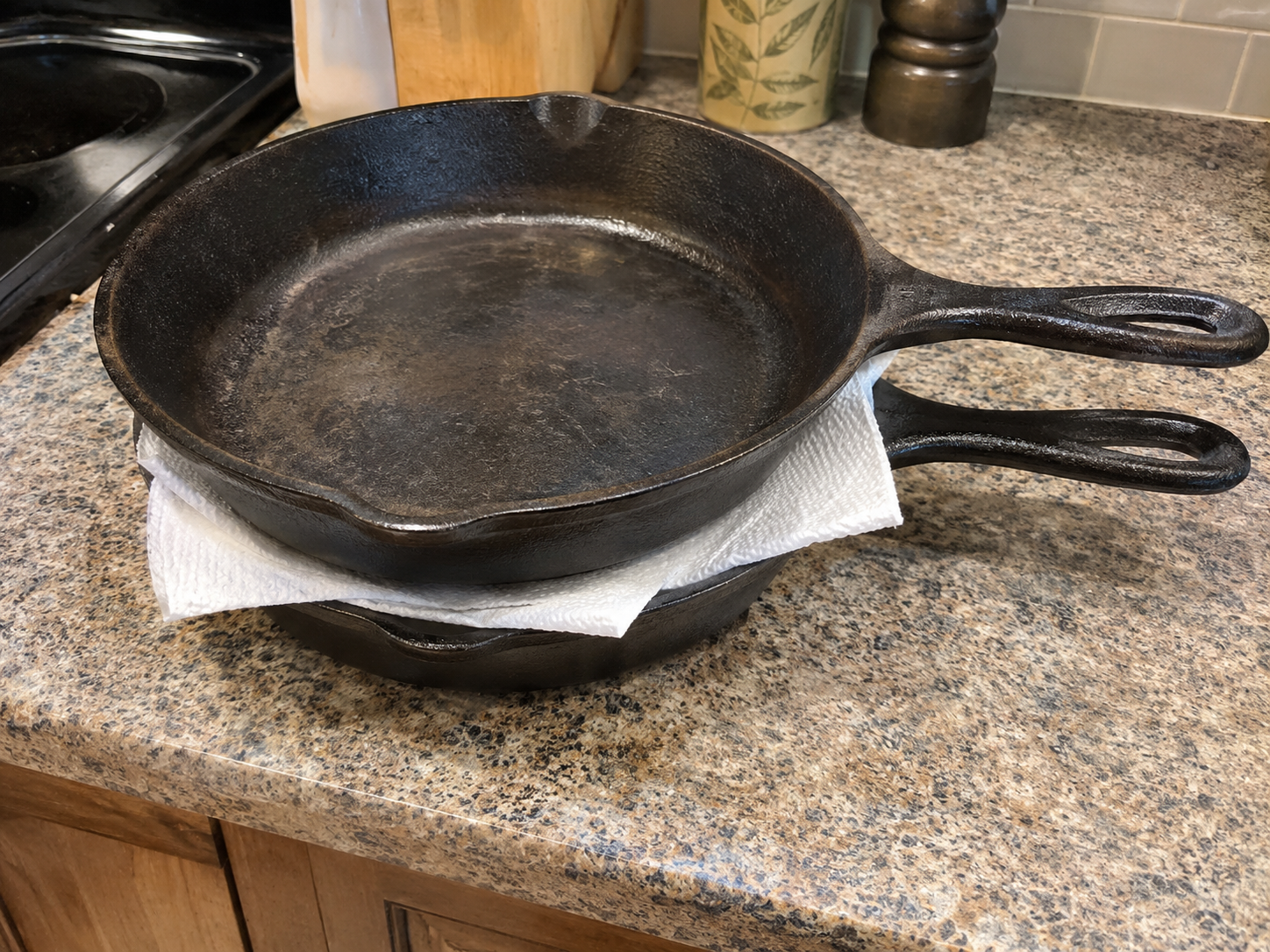
How to Dry and Store Cast Iron Skillets to Prevent Rust
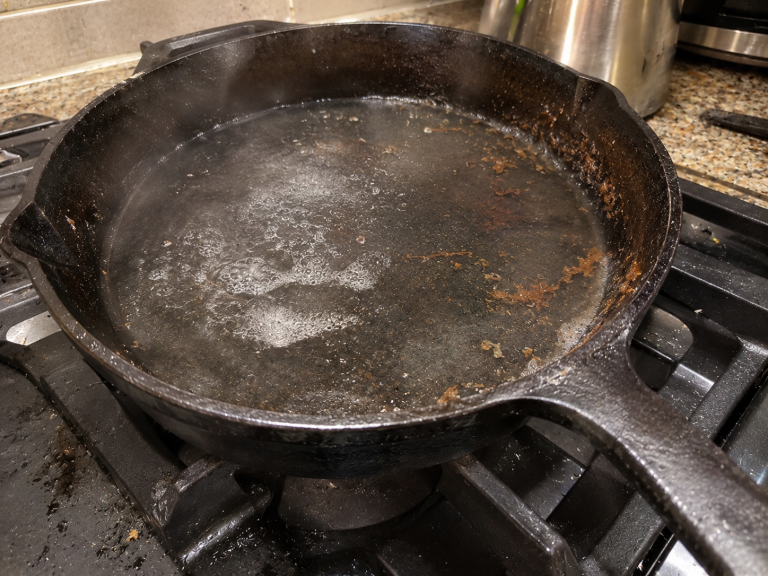
You can follow every rule for seasoning and washing your cast iron skillet, yet still open your kitchen cabinet a week later to find annoying orange rust spots creeping across the cooking surface. Nine times out of ten, rust does not happen while you are cooking—it happens because of trapped moisture during drying and storage.
Cast iron is porous metal that absorbs water into tiny microscopic pockets every time you rinse it. Simply wiping a pan with a dish towel leaves behind invisible dampness that triggers oxidation overnight. Mastering a quick two-minute drying routine and storing your cookware properly will keep your skillets jet-black and rust-free for generations.
Why Air-Drying Cast Iron Always Causes Rust
Regular stainless steel and non-stick aluminum pans can sit safely in a dish rack until they drip dry. Cast iron cannot.
Raw iron reacts with oxygen and water almost immediately. Even if your skillet has a healthy layer of seasoning, microscopic pinholes in the coating allow trapped water droplets to reach the metal underneath. Within 15 to 30 minutes of air-drying, orange “flash rust” begins forming on the bottom rim, handle, or cooking surface.
The 3-Step Foolproof Drying Routine
Make this quick habit part of your cleanup after every single meal:
Step 1: Towel-Dry Immediately After Rinsing
The moment you finish rinsing your skillet under hot water, grab a clean lint-free kitchen towel or sturdy paper towel. Wipe the inside cooking surface, the sidewalls, the helper handle, and the outside bottom until there are no visible water droplets left.
Step 2: Heat-Dry on the Stovetop (Do Not Skip This)
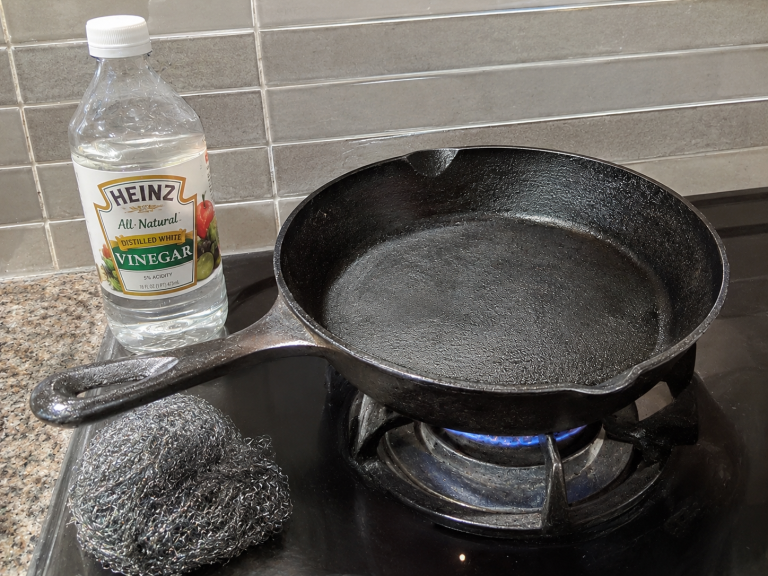
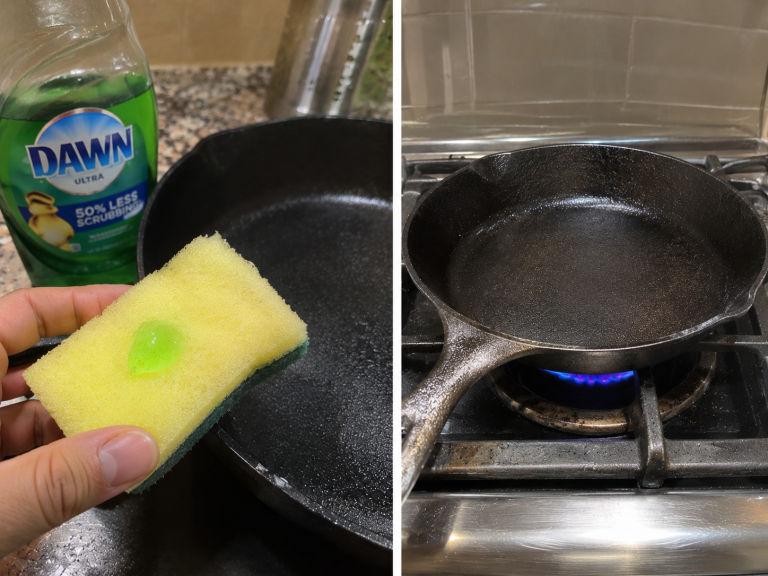
Place your towel-dried skillet onto a stovetop burner over low heat for 2 to 3 minutes. This gentle warmth forces any hidden moisture trapped inside the iron’s pores to evaporate completely into the air.
Safety Warning: Set a quick kitchen timer for 3 minutes. Leaving an empty skillet over a burner and forgetting about it can burn off your seasoning or warp the metal.
Step 3: Apply a Microscopic Protective Oil Film
Turn off the burner while the pan is still warm to the touch. Pour 2 or 3 drops of cooking oil (canola, vegetable, or grapeseed oil) into the center and spread it across the entire inside surface using a folded paper towel.
Flip the towel to a clean, dry side and buff the pan until it looks matte and dry. This ultra-thin barrier seals out airborne humidity while the pan sits in your cabinet.
Best Ways to Store Cast Iron Skillets Safely
Once your skillet is bone-dry and lightly oiled, where and how you put it away matters just as much.
1. Store in a Dry, Well-Ventilated Spot
Never store cast iron under the kitchen sink, next to a steaming dishwasher, or inside a damp basement pantry. Keep your skillets in a dry lower cabinet, inside a cool oven (just remember to take them out before preheating!), or hanging on a sturdy wall rack.
2. Place a Paper Towel Between Stacked Pans
Many kitchens lack cabinet space, forcing you to stack smaller skillets inside larger ones. Stacking bare iron directly on top of another seasoned pan scratches the cooking surface and traps moisture between the layers.
Always lay one or two folded paper towels (or a thin felt pan protector) flat inside the bottom skillet before resting another pan on top. The paper towel prevents metal-on-metal scratching and absorbs any stray humidity in the air.
3. Never Store With a Tight Lid On
If you own a cast iron Dutch oven or a skillet with a matching iron or glass lid, never store it with the lid sealed tightly shut. Trapped air inside a closed pot condenses when kitchen temperatures drop at night, creating a mini greenhouse that rusts the inside walls.
Instead, tuck a folded paper towel or a wooden spoon across the rim so the lid rests slightly ajar, allowing fresh air to circulate freely inside.
4. Oil the Outside Bottom Once a Month
Most cooks remember to oil the inside of their skillet, but the outside bottom gets scraped across metal stove grates and damp countertops every day. Once a month, wipe a tiny drop of oil across the bottom and handle before storing the pan away so rust never takes hold underneath.
Special Storage Tips for Humid Climates or Long-Term Storage
If you live in a coastal area with high humidity, or if you are packing your cast iron away for several months:
-
- Use Vegetable Shortening Instead of Liquid Oil: Solid Crisco shortening stays put longer than liquid cooking oils and resists turning tacky during months of storage.
- Wrap in Breathable Paper, Not Plastic: If packing skillets into storage boxes, wrap each pan in brown kraft paper or newspaper—never seal cast iron inside plastic bags, which trap condensation against the metal.
- Add Silica Gel Packets: Dropping a couple of food-safe silica gel packets inside your cookware drawer helps pull excess moisture out of the air during humid monsoon or summer months.
Frequently Asked Questions
Is it safe to store cast iron skillets inside my oven?
Yes, storing cast iron inside a dry, turned-off oven is very common and keeps pans protected from kitchen humidity. However, make it a strict habit to check inside the oven before turning it on—accidentally preheating an oiled skillet to 450°F without knowing it is inside can fill your kitchen with smoke.
Why does my stored skillet smell slightly stale after a few months?
If you wipe too much oil onto a pan before storing it, or if you use animal fats like bacon grease, the excess oil can oxidize and smell slightly rancid over time. Always buff your pan completely dry with a paper towel after oiling, and stick to neutral plant oils like canola or grapeseed oil for storage.