Introduction: The Rise of Mobile Investing
Investing has become more accessible than ever thanks to mobile apps that put the power of trading and portfolio management in the palm of your hand. In 2026, investing apps are not just tools for buying and selling stocks—they are comprehensive platforms that provide insights, automation, and educational resources. Whether you’re a beginner exploring the market or an experienced investor managing multiple portfolios, the right app can make a significant difference in achieving financial goals.
Why Investing Apps Are Popular
Mobile investing apps have grown in popularity due to several factors:
- Accessibility: Anyone with a smartphone can open an account and start investing.
- Ease of Use: User-friendly interfaces simplify complex investment processes.
- Low Costs: Many apps offer commission-free trades, making investing affordable.
- Education and Insights: Built-in tutorials, analytics, and personalized advice empower users to make smarter decisions.
These features have democratized investing, allowing more people to participate in financial markets without the barriers of traditional brokerage accounts.
Key Features of Leading Investing Apps in 2026
1. Real-Time Market Data and Analytics
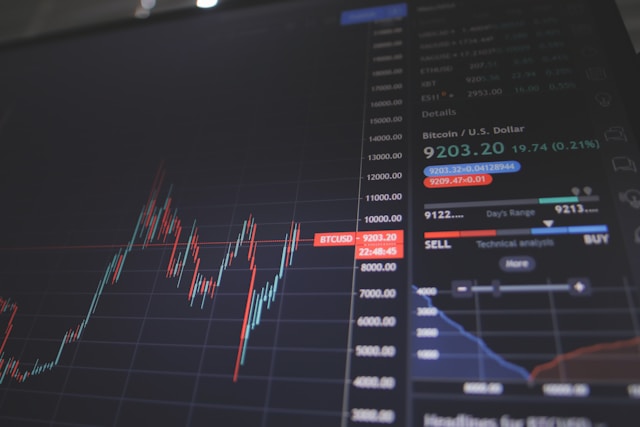
Top investing apps provide real-time stock prices, market news, and financial data. Advanced analytics tools help users evaluate performance, track trends, and make informed decisions. Features like interactive charts, technical indicators, and customizable watchlists allow investors to stay on top of market movements without relying on external platforms.
2. Portfolio Management Tools
Modern apps go beyond simple trading. They allow users to monitor entire portfolios, analyze asset allocation, and track performance against benchmarks. Some apps even offer automated portfolio rebalancing, ensuring that investments remain aligned with your financial goals.
3. AI-Powered Investment Insights
Artificial intelligence is becoming a cornerstone of investing apps. AI algorithms analyze market patterns, news, and historical data to provide personalized recommendations. Investors can receive insights on when to buy, sell, or hold assets, improving decision-making and potentially enhancing returns.
4. Fractional Investing
Fractional investing allows users to buy portions of expensive stocks or ETFs, making it easier to diversify a portfolio with limited funds. This feature democratizes access to high-value assets that might otherwise be out of reach for small investors.
5. Social and Community Features
Many investing apps now include social components, such as forums, discussion boards, and copy-trading options. Users can follow experienced investors, share insights, and learn from others’ strategies. Social investing encourages engagement and makes learning about the market more interactive.
6. Integration with Banking and Fintech Services
Leading apps integrate seamlessly with bank accounts, payment apps, and other financial platforms. This allows users to transfer funds instantly, set up automated deposits, and manage finances from a single interface. The integration reduces friction and encourages consistent investing habits.
7. Education and Gamification
Education remains a key differentiator in investing apps. Many platforms offer interactive tutorials, webinars, and courses designed for all skill levels. Gamified experiences, such as challenges or simulated trading competitions, engage users while teaching important investment concepts.
Security and Trustworthiness
Security is paramount when managing investments online. Top investing apps use advanced encryption, two-factor authentication, and biometric verification to protect users’ funds and data. Regulatory compliance and transparent policies further build trust, ensuring that investors can operate confidently within the platform.
The Role of Robo-Advisors
Robo-advisors are automated investment tools integrated into many apps, offering portfolio management based on risk tolerance, financial goals, and investment horizon. They simplify investing by automatically allocating funds, rebalancing portfolios, and reinvesting dividends, making long-term wealth-building more achievable for beginners and busy investors alike.
Mobile Trading and Speed
Speed and responsiveness are critical in trading. Leading apps offer mobile-first experiences with instant order execution, price alerts, and push notifications. Investors can respond to market events immediately, which is especially important in volatile markets.
Cryptocurrency and Alternative Investments
Many investing apps now support cryptocurrencies, ETFs, commodities, and other alternative assets. This expansion allows users to diversify portfolios and explore emerging markets directly from the app. Integration with crypto wallets and blockchain-based assets adds another layer of innovation to modern investing platforms.
Personalization and AI-Driven Recommendations
Personalization is a standout feature in 2026 apps. AI analyzes spending habits, risk profiles, and market conditions to offer tailored investment strategies. Users receive alerts, portfolio adjustments, and content specifically relevant to their goals, making investing more efficient and effective.
The Future of Investing Apps
Investing apps in 2026 are moving toward a fully integrated financial ecosystem. Features like AI-driven forecasting, multi-asset support, seamless banking integration, and immersive analytics are redefining the way people invest. Voice commands, AR visualizations, and predictive insights will further enhance accessibility, making investing smarter, faster, and more intuitive.
Conclusion: Choosing the Right App for You
Investing apps in 2026 are no longer just tools—they are comprehensive financial companions. From real-time analytics and AI recommendations to educational resources and social features, these platforms empower users to manage their finances intelligently.
Whether your goal is active trading, long-term wealth building, or learning about financial markets, the right investing app can make a significant impact. By leveraging the latest features, investors can save time, minimize risks, and make smarter decisions, shaping a future where managing money is easier, more engaging, and more effective than ever before.