The “like and earn” or prepaid-task scam starts as an easy online job and turns into a sequence of deposits. The early tasks may even pay small amounts to build trust. The loss usually begins when the victim is told to send increasingly large sums to unlock higher commissions, repair a “negative balance” or finish a group task.
How the trap is structured
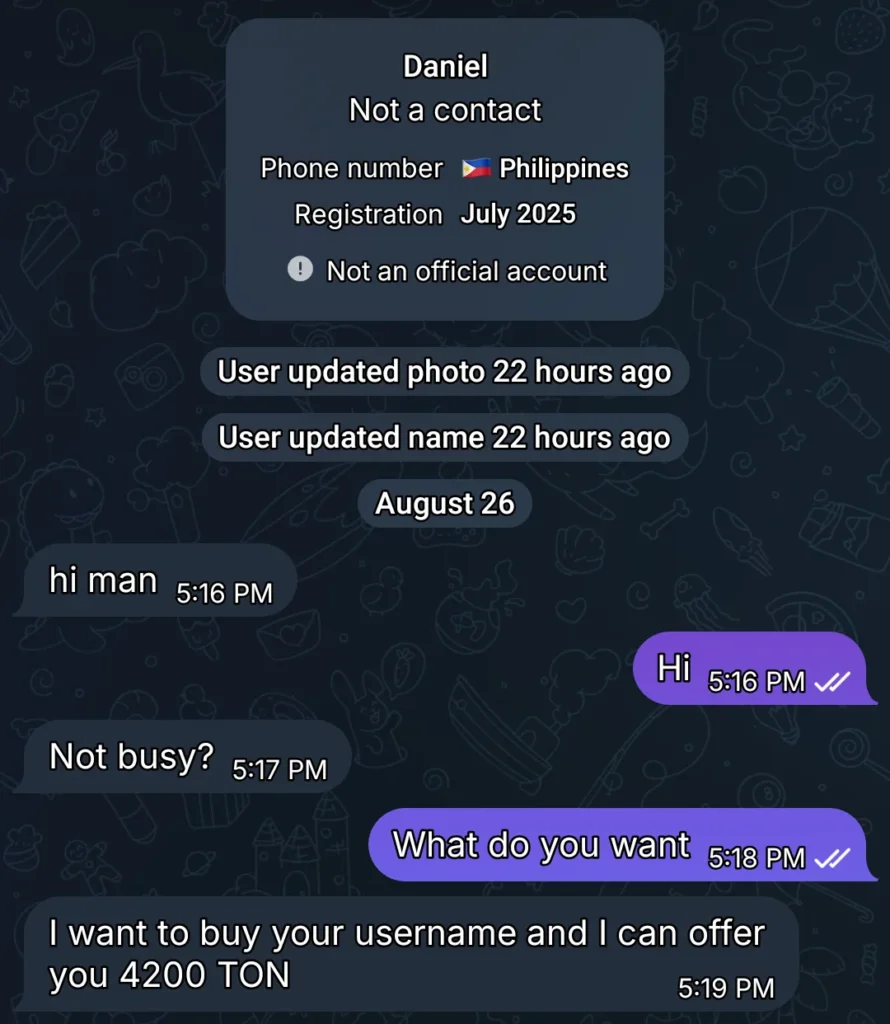
- Cold contact: a WhatsApp, Telegram or social-media message offers simple remote work such as rating hotels, liking videos or reviewing products.
- Small reward: the victim may receive a real small payment after an easy task.
- Move to a private group: fake participants post screenshots of profits and pressure everyone to continue.
- Prepaid task: the victim must send money to receive a larger return.
- Escalation: the platform shows a balance, but withdrawals are blocked until another fee, tax, “credit repair” or task is paid.
The key test
A legitimate job pays you for work. It does not require you to transfer money to unlock wages or commissions. A platform balance displayed on a website or Telegram bot is not proof that money exists or can be withdrawn.
Red flags
- Recruitment from an unknown personal number with no verifiable company process.
- Payment for trivial actions followed by a request to “invest” or “recharge”.
- Pressure to borrow money to complete a task.
- Group members who appear to profit constantly and discourage questions.
- A withdrawal that requires a new payment.
If you have already transferred money
- Stop sending more money, even if the platform says one final payment will release everything.
- Contact your bank/payment provider through an official channel.
- Call 1930 promptly and file the complaint on cybercrime.gov.in.
- Save UPI IDs, account numbers, transaction IDs, Telegram/WhatsApp usernames, group links and screenshots.
- Beware of “recovery agents” who contact you later and demand an upfront fee.
How to verify a remote job
Find the employer’s official website independently, check the careers page and contact the company using an official domain. Search the legal entity, not just the brand name used in chat. Do not send Aadhaar/PAN/bank information until you know who the employer is and why it is required.
Sources
Editorial basis
This guide is written as a defensive, India-focused response guide. It does not claim a personal incident unless that experience is documented, and it does not guarantee recovery after fraud. Official reporting and payment/identity sources take priority over anecdotes.
Leave a Reply